

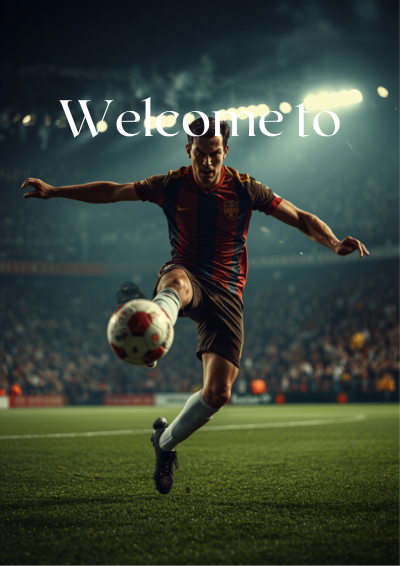
I still remember the exact moment sport stopped being “just a game” for me. I was seventeen, sitting on a bench after tearing a hamstring during a school football match, watching my team lose without me. That’s when it hit me — sport wasn’t just something I did on weekends. It was shaping how I thought, how I dealt with setbacks, and honestly, who I was becoming.
Since then, I’ve played competitively, coached youth teams for six years, and now I run a sports content platform where I talk to athletes, coaches, and everyday fans every single day. So when people ask me “why is sport important?” — I don’t answer with a textbook definition. I answer from experience.
Here’s what I’ve actually seen, tested, and lived through.
1. Sport Rebuilt My Physical Health — Not Just My Fitness
Before I took sport seriously, I was the kid who got tired walking up two flights of stairs. Once I started training regularly, the changes weren’t just about looking fit — my resting heart rate dropped, I stopped getting winded during normal daily tasks, and I genuinely slept better.
This isn’t just my experience talking. The CDC and the American Heart Association have both published extensive research showing that regular physical activity lowers the risk of heart disease, type 2 diabetes, and even certain cancers. But numbers on a page didn’t convince me — feeling the difference in my own body did.
A real step I took: I started tracking my resting heart rate every morning using a basic fitness watch. Within three months of consistent training (just 4 sessions a week), it dropped from the low 80s to the mid-60s. That single number told me more than any article ever could.
2. Sport Taught Me Discipline in a Way School Never Did
I’ll be honest — I was an average student. But on the field, something clicked. Showing up to 6 a.m. training sessions when I didn’t feel like it, sticking to a recovery routine after an injury, showing up again after a bad loss — that built a kind of discipline that spilled into everything else I did, including how I eventually built my career.
Coaches often say sport builds character. I used to roll my eyes at that phrase until I was the one coaching a group of 14-year-olds and watched the same transformation happen in them. The kids who struggled with focus in the classroom were often the most locked-in during a match — because sport gave them a clear, immediate reason to push through discomfort.
3. Sport Connects People in a Way Almost Nothing Else Does
I’ve traveled to different countries for tournaments where I didn’t speak the local language. It didn’t matter. The moment a ball was on the pitch, communication happened anyway — through eye contact, positioning, timing. Sport is one of the only truly universal languages left.
This is something I saw again running my YouTube channel. Fans from Uganda, France, Italy, and Brazil comment under the same clip, arguing about the same free kick, united by the same obsession. Sport doesn’t erase differences, but it gives people a shared reason to show up in the same space.
4. Sport Gave Me Real Lessons in Losing (Not Just Winning)
Nobody talks enough about this part. I’ve lost far more matches than I’ve won. What sport actually teaches you is not how to win — it’s how to lose without falling apart. I remember losing a regional final 3-0 after being favored to win, and having to shake hands with the opposing team while still in shock.
That skill — recovering from a public failure and showing up again the next week — is something I’ve used constantly outside of sport, especially when a business idea failed or a piece of content flopped. Sport is one of the few environments where failure is guaranteed to happen, publicly, and repeatedly. Learning to handle that early is a genuine advantage.
5. Sport Is a Bigger Economic Engine Than Most People Realize
This one surprised me even after years of being close to the industry. Sport isn’t just recreation — it’s an economy. Coaching jobs, physiotherapy, sports media, equipment manufacturing, event management, broadcasting — millions of people worldwide earn a living because sport exists.
I saw this firsthand when I transitioned from playing into sports content. What started as posting match clips turned into an actual platform with real audience engagement. That wouldn’t exist without the broader sports economy feeding interest into it. Organizations like the Australian Sports Foundation and sport-coaching bodies have documented this at a macro level, but I watched it play out in my own career, one small step at a time.
6. Sport Should Be a Core Part of Every School — Here’s Why
When I coached youth players, I noticed something consistent: kids who played sport regularly tended to handle group projects, deadlines, and even peer conflict better than kids who didn’t. That’s not a scientific study — it’s a pattern I watched repeat across six years of coaching different age groups.
Sport in schools isn’t just about producing athletes. It’s one of the few structured environments where kids learn teamwork, handle pressure, and experience both winning and losing before adulthood raises the stakes. I genuinely believe cutting sport from school programs — which happens more than people realize due to budget constraints — is a mistake with long-term consequences.
So, Why Is Sport Important?
If I had to boil down fifteen years of playing, coaching, losing, winning, and building a platform around sport into one sentence, it’s this: sport doesn’t just build better athletes — it builds better versions of the people who show up for it.
It rebuilt my health when I needed it most. It taught me discipline no classroom could. It connected me to people across language barriers. It taught me how to lose without quitting. And it opened up a career I never expected.
If you’re on the fence about getting your kids into a sports program, picking one up yourself, or just wondering whether it’s “worth it” — from someone who’s lived on both sides of the bench, it is.
Have your own experience with how sport changed something in your life — health, mindset, career? I’d genuinely like to hear it in the comments.